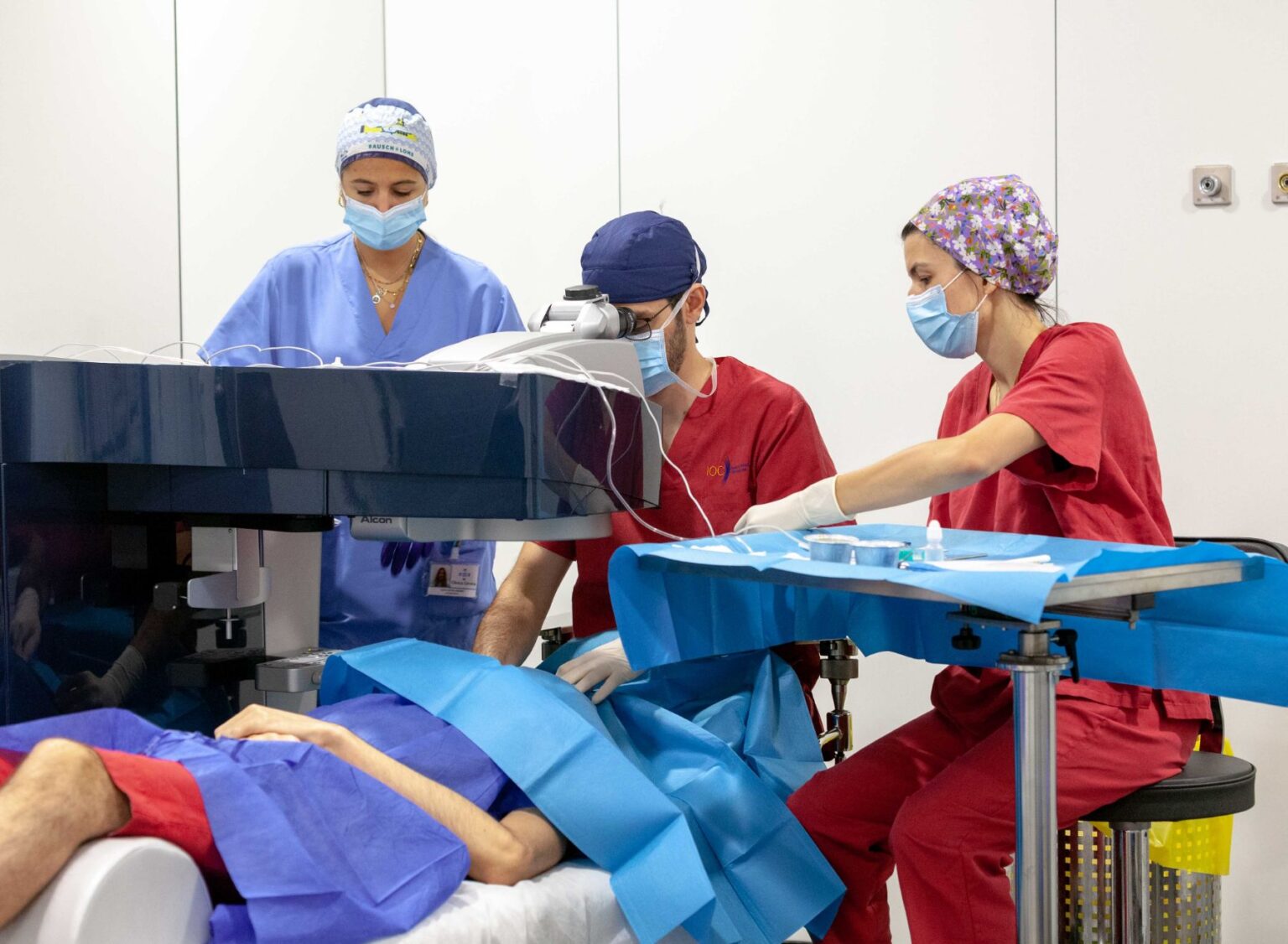
Bullous keratopathy, also known as edematous keratopathy, is an eye disease that affects the cornea, the transparent front layer of the eye. It occurs when the endothelium, the innermost cell layer of the cornea, does not function properly. The primary function of the endothelium is to pump excess fluid out of the cornea, keeping it clear and transparent. When the endothelium fails, fluid accumulates in the cornea, leading to the formation of blisters on its surface. This can cause significant vision loss, pain, and light sensitivity.
Causes that lead to it:
- Fuchs’ Dystrophy: The most common cause of bullous keratopathy is Fuchs’ dystrophy, a genetic condition that affects the endothelium.
- Eye Surgery: It can also be a complication of eye surgery, such as cataract surgery or refractive surgery.
- Trauma: Trauma to the eye can damage the endothelium and result in this keratopathy.
- Other Diseases: Some eye diseases, such as glaucoma and diabetes, may increase the risk of developing it.
Symptoms that may occur:
- Blurred vision, especially in the morning upon waking.
- Ocular pain that can be sharp.
- Light sensitivity.
- Eye redness.
- Excessive tearing.
- Halo vision around lights.
Treatment of bullous keratopathy:
The treatment depends on the severity of the disease. In mild cases, eye drops or contact lenses may be used to reduce edema and alleviate symptoms. In more advanced cases, surgery may be required. There are two main types of surgery for bullous keratopathy:
- DMEK (Descemet Membrane Endothelial Keratoplasty): In this procedure, the diseased layer of the endothelium is replaced with a healthy layer from a donor.
- DSAEK (Descemet’s Subendothelial Automated Keratoplasty): This surgery is similar to DMEK but is performed through a smaller incision.
- Penetrating Keratoplasty: In the most severe cases, penetrating keratoplasty may be necessary, in which the entire diseased cornea is replaced with a healthy cornea from a donor.
In some cases, an amniotic membrane transplant may be performed to relieve the symptoms of bullous keratopathy, although it does not restore vision.