

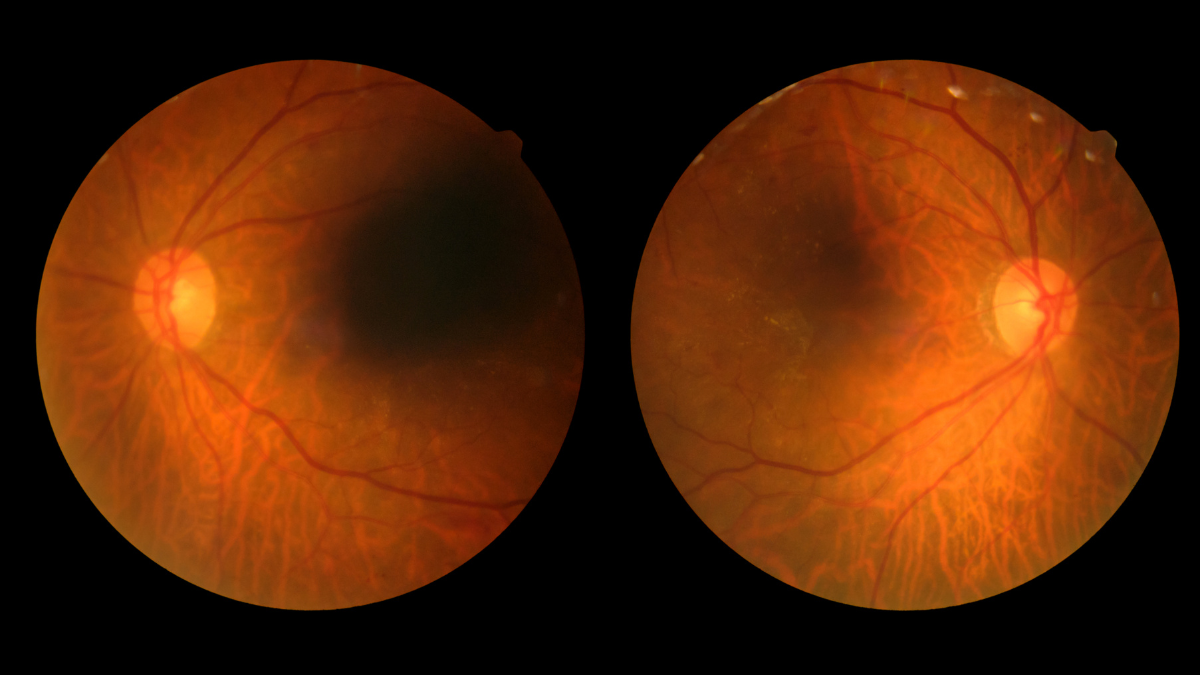
Diabetic retinopathy is one of the most common eye complications of diabetes. It can affect anyone with type 1 or type 2 diabetes, especially if blood glucose levels are not well controlled over time. This is why early detection is essential to prevent irreversible vision loss.
At Oftalis, we specialize in the diagnosis and treatment of retinal diseases. In addition, if you have diabetes, it is crucial to have an annual eye examination. This allows us to detect changes in the retina before you notice any symptoms.
🔍 What is diabetic retinopathy?
Diabetic retinopathy is a retinal disease caused by damage to the small blood vessels that supply it. Due to chronically high blood sugar levels (diabetes), these tiny vessels weaken, dilate, or may even become blocked. As a result, blood flow is impaired, and the retinal cells do not receive enough oxygen.
Over time, these changes can lead to small hemorrhages, inflammation, and even the growth of new abnormal blood vessels. These new vessels are very fragile and may bleed or pull on the retina. If left untreated, diabetic retinopathy can progress to serious problems such as diabetic macular edema or retinal detachment, both of which carry a high risk of significant vision loss.
This condition is one of the leading causes of preventable blindness in adults. The most concerning part is that in its early stages it causes no symptoms—this is why we insist on the annual eye examination.
At Oftalis, we use cutting-edge diagnostic technology to detect any retinal changes early: retinal OCT and non-invasive fundus photography. These tests provide high-resolution images of the retina in just a few minutes and without discomfort.
⚖️ Stages of the disease
Diabetic retinopathy progresses slowly, and its severity can be classified into different stages:
1. Mild Non-Proliferative Diabetic Retinopathy
This is the earliest stage. Small capillary dilations (microaneurysms) and tiny hemorrhages can be observed. Vision is usually normal, but there are already signs of retinal damage. Strict control of blood glucose, blood pressure, and cholesterol can slow progression.
2. Moderate or Severe Non-Proliferative Diabetic Retinopathy
As the disease progresses, more vessels become damaged and blood flow decreases. Areas of the retina may begin to lack oxygen (ischemia). Some patients may start to notice blurry vision.
3. Proliferative Diabetic Retinopathy
The most advanced and severe stage. When the retina does not receive enough oxygen, the eye reacts by growing fragile new blood vessels, which can bleed or cause scarring and traction. The risk of retinal detachment and severe vision loss is high without urgent treatment.
4. Diabetic Macular Edema
This can develop at any stage. It occurs when fluid accumulates in the macula—the central part of the retina responsible for detailed vision. It is the most common cause of vision loss in diabetic patients.
⚠️ Risk factors
Several factors can cause diabetic retinopathy to appear or progress more quickly:
- Duration of diabetes: the longer you’ve had it, the higher the risk.
- Poor blood glucose control.
- High blood pressure and cholesterol.
- Kidney or cardiovascular disease.
- Pregnancy.
- Smoking.
This makes proper medical and ophthalmologic control essential, especially in long-standing diabetes.
👁️ Warning symptoms
Although diabetic retinopathy may be asymptomatic in early stages, later symptoms may include:
- Blurry or fluctuating vision.
- Floating spots or black strings (“floaters”).
- Dark areas or loss of central vision.
- Difficulty reading or seeing up close.
- Altered color perception.
- In severe cases, sudden vision loss.
If you notice any of these symptoms, an urgent eye examination is necessary. At Oftalis, we have retinal specialists in Girona ready to evaluate and treat these cases with maximum precision.
🧬 Diagnosis: the best technology for your vision
Early detection is key to preserving vision. At Oftalis, we use state-of-the-art imaging technology:
1. Digital Fundus Photography
A non-invasive photograph of the back of the eye that reveals the blood vessels, macula, and optic nerve. It helps detect hemorrhages, exudates, or abnormal new vessels.
2. Optical Coherence Tomography (Retinal OCT)
An advanced imaging technique that provides high-resolution cross-sectional images of the retina. It is essential for diagnosing and monitoring diabetic macular edema.
3. Fluorescein Angiography
Used in selected cases to assess retinal blood flow and identify leakage or ischemic areas.
With these tests, we can establish an accurate diagnosis and a personalized treatment plan.
💉 Treatments available at Oftalis
We offer all current treatment options for diabetic retinopathy, adapted to each stage of the disease:
1. Medical control and monitoring
In early stages, the goal is to slow disease progression by controlling blood glucose, blood pressure, and cholesterol. Regular follow-up is recommended.
2. Intravitreal injections
When macular edema or neovascularization is present, anti-VEGF medications or corticosteroids can be injected into the eye. These injections are painless, performed under sterile conditions, and help reduce inflammation, improve vision, and stabilize the disease.
3. Retinal laser (photocoagulation)
Used to seal microaneurysms or leakage areas and to slow the growth of new vessels. It is effective and long-lasting, especially in proliferative retinopathy.
4. Vitreoretinal surgery
In cases of vitreous hemorrhage or retinal detachment, a vitrectomy may be necessary. This surgery removes the cloudy vitreous gel and repairs retinal tissue. It is a highly specialized procedure performed by our expert retinal surgeons.
Each treatment is tailored to the patient’s specific stage of disease.
🫶 Prevention and follow-up
The best way to avoid vision loss is early detection. All diabetic patients should undergo at least one annual eye exam with a retinal evaluation. In some cases, checkups may be needed more frequently depending on medical criteria.
Recommendations to prevent diabetic retinopathy:
- Regular control of blood glucose, blood pressure, and cholesterol.
- Maintain a balanced diet and engage in moderate physical activity.
- Avoid smoking.
- Attend all scheduled medical and ophthalmologic appointments.
Remember: diabetic retinopathy is a silent disease, but with early diagnosis and proper treatment, vision can be preserved.
❓ Frequently Asked Questions
1. I have diabetes, but my vision is fine. Do I still need an eye exam?
Yes. Even without symptoms, retinopathy may already be developing. Annual exams are essential.
2. Can diabetic retinopathy be cured?
It cannot be completely reversed, but it can be controlled and stabilized with proper treatment.
3. What’s the difference between OCT and fundus photography?
Fundus photography shows an overall image of the retina, while OCT provides detailed cross-sectional views of its layers.
4. What happens if it’s not treated?
It can lead to hemorrhages, macular edema, or retinal detachment, with a risk of irreversible blindness.
5. Can it be prevented?
Yes. Strict medical control and annual ophthalmologic check-ups help detect retinopathy before it affects vision.
📞 If you have diabetes, schedule your annual eye examination.
Call 972 41 24 13 or book your appointment online with one of our retinal specialists in Girona.